

General and Restorative Dentistry in Dubai
A comprehensive approach to oral health, from prevention to treating and restoring teeth. Whether you have toothache or a damaged tooth, or need a check-up or a professional cleaning, we start with an examination and explain every decision in detail. This helps us choose the right treatment plan, save your own teeth whenever possible, and keep them healthy for the long term.
The MedPalm Approach
What Does a General Dentist Treat?
General dentistry covers diagnosing, treating, and preventing dental problems, and restoring damaged teeth. Depending on the reason for your visit, your dentist will create a treatment plan for your case. It may include a single procedure or several steps in sequence. Our goal is to find the solution that is best for your situation and helps keep your teeth healthy for many years.
Treating Dental Problems
We help with the first signs of tooth decay as well as more complex cases in which inflammation has reached the nerve or the tissues around the tooth. After the examination, your dentist will explain which treatment options are available in your case and help you choose the most suitable one.
Depending on your situation, treatment may include:
- Treatment of tooth decay (caries)
- Treatment of pulpitis (inflammation of the nerve inside the tooth)
- Treatment of apical periodontitis (inflammation around the root tip)
- Treatment with laughing gas (nitrous oxide) sedation in the clinic, or under general anesthesia in a partner hospital, when medically indicated or at your request
- Planned wisdom tooth removal
- Removal of teeth that cannot be saved
- Emergency dental care for sudden severe pain, injury, or inflammation
If the examination shows that your symptoms are caused by gum disease, your dentist will recommend a consultation with a periodontist and create a comprehensive plan for further treatment.
Restoring Teeth
A damaged tooth does not always have to be removed. In many cases, modern restoration methods help the tooth regain its strength, natural shape, and full function.
After the examination, we will choose the most suitable way to restore the tooth, taking into account the extent of the damage, the position of the tooth, your aesthetic expectations, and the long-term prognosis. The aim is a result that looks natural and lasts.
Depending on your situation, your dentist may recommend:
- Aesthetic composite restorations
- Replacing old or leaking fillings
- Repairing chips and cracks
- Restoring severely damaged teeth
If a prosthodontist is needed for the best result, we will arrange a consultation and offer a comprehensive treatment plan.
Prevention and Keeping Teeth Healthy
Regular preventive care helps detect changes at an early stage, lowers the risk of tooth decay and gum disease, and helps you keep the results of previous treatment.
Even if nothing bothers you, we recommend a preventive check-up and a professional cleaning at least once every six months, or on a schedule your dentist sets for you.
Preventive procedures may include:
- Professional dental cleaning
- Removal of plaque and tartar
- AirFlow to remove stains
- Fluoride treatment
- Professional teeth whitening
- Personalized advice on home care
What matters here is regularity rather than the number of procedures: the more often you come for a check-up, the less likely you are to need complex treatment.
When Should You See a Dentist?
Dental problems do not always start with severe pain. In the early stages, changes may cause only mild discomfort or no symptoms at all. The earlier a problem is found, the better the chances of saving your own tooth and avoiding more complex treatment.
We recommend booking a consultation if you notice one or more of the following signs.
Signs That You Need Dental Treatment
Pain and Sensitivity
Pain may be constant or appear only when you eat or drink something cold, hot, or sweet. Sometimes discomfort appears when chewing or biting down, and sometimes it gets worse at night and becomes throbbing.
Reasons to see a dentist include:
- Toothache
- Sensitivity to cold, hot, or sweet food and drinks
- Pain when chewing
- Pain when biting down
- Throbbing or aching pain
- Pressure in or around a tooth
Damaged Teeth, Fillings, or Crowns
Even a small chip or a lost filling can lead to further damage to the tooth. The sooner the damaged area is restored, the simpler and more reliable the treatment will be.
See a dentist if you notice:
- A lost filling
- A chipped tooth
- A crack in a tooth
- A broken old filling or crown
- A change in tooth color
- A gap between a tooth and a filling
- Food that keeps getting stuck in the same place
Gum Changes
Gum problems often develop gradually and can go unnoticed for a long time. Yet they are a common cause of bad breath, discomfort, and loose teeth.
Reasons to book a consultation include:
- Bleeding gums
- Redness or swelling
- Pain when brushing
- Bad breath
- Gums that seem to be receding
- Loose teeth
If gum disease turns out to be the main cause of your symptoms, the next step is a consultation with a periodontist, and your treatment plan will include gum treatment.
Should You See a Dentist If Nothing Hurts?
Regular preventive visits help detect changes before any symptoms appear. This is especially important if you have old fillings, a higher risk of tooth decay, gum disease, or previous dental treatment.
Even if you have no symptoms, it is worth seeing a dentist to:
- Check the condition of your teeth, old fillings, crowns, and other restorations
- Have a professional cleaning to remove plaque and tartar
- Get personalized advice on home care
- Find out whether you need fluoride treatment or other preventive procedures
- Get a second opinion on a treatment plan you were offered earlier
What Can Dental Symptoms Mean?
Symptom
Pain from cold, hot, or sweet food or drinks
What it may mean
Tooth decay, sensitive teeth, a leaking filling
What we recommend
Consultation and examination
Symptom
A filling has fallen out or chipped
What it may mean
A worn filling, new decay under the filling
What we recommend
Restoring the tooth
Symptom
Bleeding gums
What it may mean
Plaque, gingivitis, or other gum disease
What we recommend
Professional cleaning and consultation
Symptom
Sharp throbbing pain or swelling
What it may mean
An inflamed nerve or a complication of tooth decay
What we recommend
Emergency appointment
Symptom
A tooth turning dark
What it may mean
An injury, new decay under a filling, or changes in the tooth tissue
What we recommend
Examination and choosing how to restore the tooth
Important: these symptoms alone are not enough to make a diagnosis. The cause of the problem and the right treatment can only be determined after a consultation and examination.
Our Approach to Treating and Restoring Teeth
Treatment starts with understanding the cause of the problem, not with choosing a procedure. The same symptom can have different causes, so we do not apply a standard solution to every case and do not recommend treatment until the examination is complete.
Our goal is not only to relieve your symptoms but to help keep your teeth healthy and achieve a stable long-term result.
We Treat the Cause, Not Only the Tooth
Toothache, sensitivity, and a damaged filling are symptoms, not a diagnosis. During the examination, your dentist checks your teeth, gums, existing restorations, bite, and surrounding tissues to find the real cause of the problem. This helps us avoid repeat treatment and choose a solution that will work not only today but also in the future.
Diagnosis Comes Before Any Procedure
We do not offer treatment based on a photo or on symptoms alone. Even when the cause seems obvious, it is important to examine the tooth and the surrounding tissues and decide how much treatment is needed. When needed, your dentist uses digital diagnostics to get the full clinical picture and offer a well-founded treatment option.
We Explain Every Decision
After the examination, your dentist will review the results with you and explain them in plain language. You will learn what caused the problem, which treatment options are possible, how they differ, and what result you can expect from each. If there are several clinically sound options, we will discuss the benefits, limitations, and cost of each one so that you can make an informed decision.
We Save Your Own Teeth Whenever Possible
In many cases, modern dentistry can save even severely damaged teeth. That is why we always consider restoring your own tooth if this gives a reliable and predictable result. If the examination shows that the tooth cannot be saved, or that saving it will not give a lasting result, your dentist will explain the reasons honestly and offer other options, including removing the tooth and then replacing it.
How Diagnosis Works
Accurate diagnosis is the foundation of successful treatment. It helps identify the cause of your symptoms, assess the condition of your teeth and surrounding tissues, and choose the solution that will work best in your situation.
In most cases, the first visit includes a consultation, a clinical examination, and additional tests or scans if needed.
01
Consultation and Clinical Examination
During the appointment, your dentist will listen carefully to your concerns, ask about your dental history, and examine your teeth, gums, existing fillings, and other restorations. We also check your bite (occlusion): how your upper and lower teeth meet.
This comprehensive approach shows the full clinical picture, not only the area that is causing discomfort.
02
Digital Diagnostics
Depending on your situation, your dentist may recommend additional diagnostic methods that help confirm the diagnosis and plan treatment.
At MedPalm Dental, we use:
- Digital X-rays of individual teeth
- Cone beam CT (CBCT) scans, when indicated
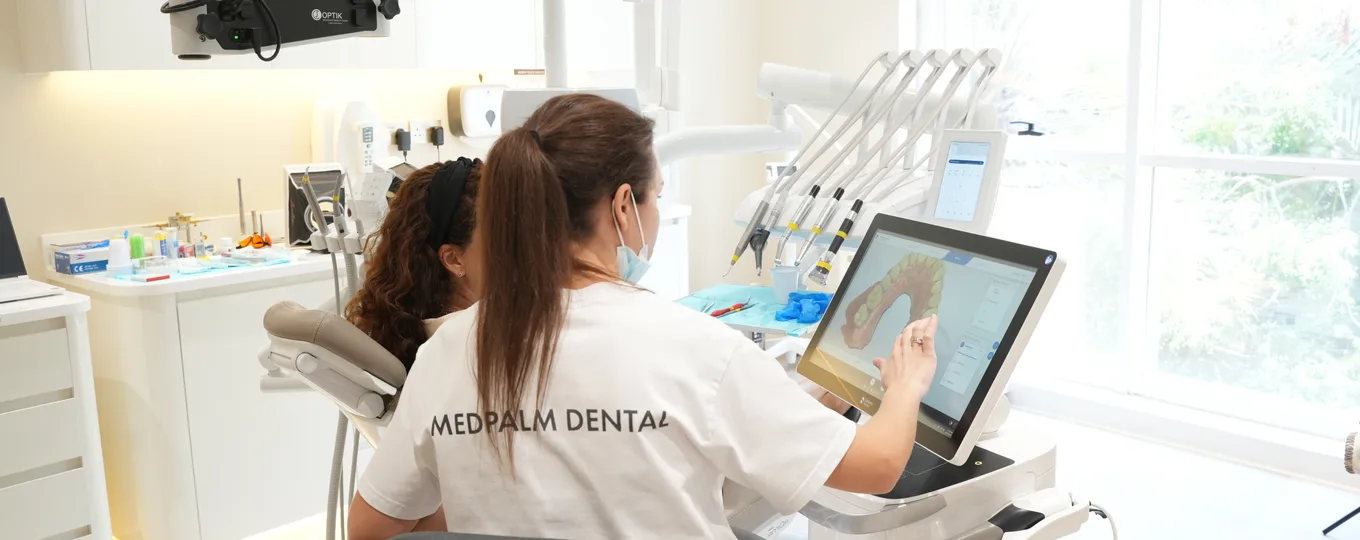
- Intraoral scanning
- Clinical photographs to record the condition of your teeth and track treatment results
We only recommend the tests that are truly needed to make a clinical decision.
03
What You Get After the Consultation
After the appointment, you will have not only the dentist's findings but also a clear idea of the next steps.
You will know:
- What caused your symptoms
- Which treatment options suit your situation
- Which stages your personalized treatment plan includes
- How long treatment may take
- The approximate cost of each stage
- What will help you keep the results in the future
You can ask any questions, discuss alternative treatment options, and take the time you need to decide.
Get a Personalized Treatment PlanModern Technology for Accurate Diagnosis and Gentle Treatment
Modern technology helps the dentist make a more accurate diagnosis, plan treatment better, and make treatment more comfortable for you. We use only the diagnostic and treatment methods that genuinely help make the right clinical decision and achieve a predictable result.
For Diagnosis
The right treatment depends on the right diagnosis. These are the methods we use to reach one.
Digital X-Rays
Quickly show the condition of the tooth, roots, and surrounding tissues, and reveal hidden decay, inflammation, or other changes that cannot be seen during a regular examination.
3D Cone Beam CT (CBCT)
Creates a three-dimensional image of the teeth, jawbone, and surrounding structures. This scan helps assess complex cases more accurately and plan root canal treatment, tooth removal, or later restoration.
Intraoral Scanning
A digital scanner creates an accurate 3D model of your teeth without traditional impression materials. This makes the examination more comfortable and allows a detailed assessment of your teeth, bite, and treatment results.
Clinical Photography
A series of clinical photographs records the initial condition of your teeth, helps explain your situation to you, and lets us compare the results before and after treatment.
For Treatment and Restoration
Modern technology makes treatment more precise, preserves more healthy tooth structure, and helps achieve a long-lasting result.
Rubber Dam
A thin rubber sheet that isolates the tooth and keeps saliva and bacteria away during treatment. This improves the quality of treatment, especially for tooth restorations and root canal treatment.
Magnification
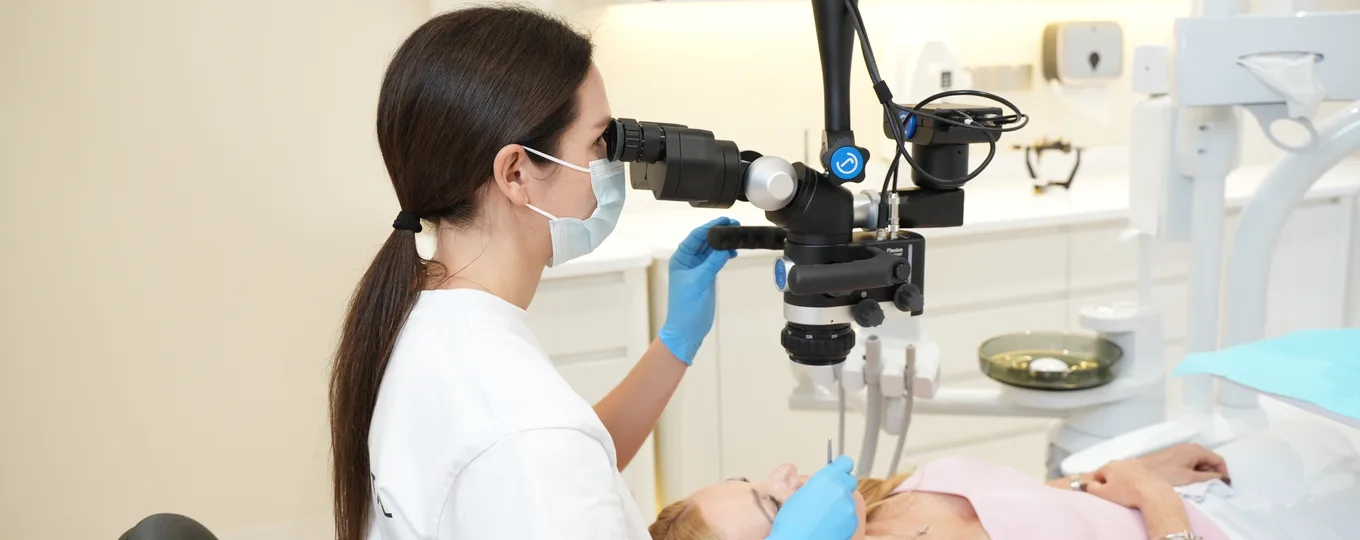
Dental microscopes and magnifying loupes help the dentist see the smallest details, remove damaged tissue more precisely, and work with the greatest care.
Modern Composite Materials
High-strength materials restore the shape and function of the tooth and match its natural color, so the restored tooth looks natural.
Adhesive Bonding
Modern bonding methods create a strong connection between the restoration and the tooth. This makes the restoration last longer and helps preserve more healthy tooth structure.
Minimally Invasive Techniques
We aim to remove only the damaged tissue and preserve as much healthy tooth structure as possible. This approach helps your own tooth last longer.
Laughing Gas Sedation and General Anesthesia
When medically indicated or at your request, treatment can be done with laughing gas (nitrous oxide) sedation or under general anesthesia. Laughing gas sedation takes place in the clinic: you stay awake but feel calm and relaxed. Treatment under general anesthesia takes place in a partner hospital. With either option, a large amount of work can be done comfortably in one or a few visits.
For Prevention
Professional preventive care helps keep your teeth and gums healthy and lowers the risk of tooth decay and gum inflammation.
Ultrasonic Tartar Removal
Safely removes hardened tartar that brushing cannot.
AirFlow
A stream of water, air, and a special fine powder effectively removes soft plaque and stains from coffee, tea, wine, or smoking, and restores the natural color of your teeth.
Fluoride Treatment
A special product with a high fluoride content is applied to the teeth. It strengthens the enamel, reduces sensitivity, and helps protect the teeth from decay.
Personalized Home Care Advice
After the examination, your dentist will help you choose home care products and show you how best to care for your teeth.
Our Dentists
Successful treatment depends not only on modern technology but also on the experience of the dentist who makes the clinical decisions. At MedPalm Dental, patients are treated by specialists in different fields who work as one team. This is especially important when a lasting result requires a comprehensive approach.
General Dentist
A general dentist is the specialist patients see most often. This dentist performs the first examination, detects dental disease at an early stage, treats tooth decay and its complications, restores damaged teeth, and helps keep them healthy for many years.
During the consultation, your dentist will not only solve the current problem but also assess the overall health of your mouth, to prevent new problems and plan the follow-up visits that suit you.

General Dentist
Dentistry is my life's calling – I love my work and my patients deeply. To me, the key priorities are connecting with each patient, collaborating on the ideal treatment plan, and making sure the patient feels comfortable during and after treatment.
Specialization: endodontic treatment and tooth restoration under a microscope, pediatric dentistry, and complex endodontic cases in teenagers. 15 years of clinical experience.
BDS, MSc
English / Russian / German
Prosthodontist
If a tooth is severely damaged and a regular filling is not enough, a prosthodontist may join the treatment.
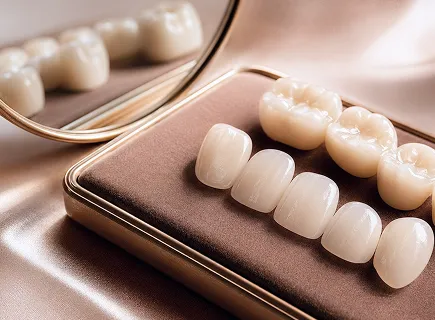
This specialist restores the shape, function, and appearance of teeth with custom-made restorations such as inlays, crowns, and veneers. When the general dentist and the prosthodontist work together, they can choose the most reliable way to restore the tooth based on your situation and the long-term prognosis.

Specialist Prosthodontist
I am a specialist prosthodontist focused on aesthetic dentistry and the VieSID functional concept of the Vienna school, which treats the bite and the jaw joints (TMJ) as one system. My goal is to improve patients' quality of life through precise, modern, and personalized dental care.
Specialization: aesthetic dentistry, the VieSID concept, complex prosthetic rehabilitation, TMJ dysfunction. PhD in Medical Sciences.
BDS, MSc, PhD, VieSID
English / Russian

General Dentist
Aesthetics that ignore the joint do not last. I start from measurement: 3D cephalometry, CBCT, occlusion analysis. A restoration has to serve the function, not fight it.
Specialization: digital diagnostics, 3D cephalometric and CBCT analysis, the VieSID occlusion concept, aesthetic restorations planned around the bite.
BDS, MSc, PhD, VieSID, ITI, EAAD
English / Russian / German
Oral Surgeon
In some cases, a tooth cannot be saved, or surgery becomes the most predictable option: for example, when a tooth is severely damaged, after certain injuries, or when wisdom teeth need to be removed.
The oral surgeon performs planned and emergency tooth extractions and works together with general dentists, prosthodontists, and implant specialists as part of comprehensive treatment. When medically indicated or at the patient's request, many surgical procedures can be done with laughing gas (nitrous oxide) sedation in the clinic or under general anesthesia in a partner hospital.

Specialist Oral & Maxillofacial Surgeon
Modern surgery is about predictable outcomes and comfort. My job is to perform the intervention so it becomes the start of recovery—not an ordeal.
Specialization: tooth extraction, dental implants, bone augmentation. Surgery under general anesthesia in a partner hospital. 12 years of surgical experience.
BDS, MSc
English / Russian
No matter how many specialists are involved in your treatment, the process stays clear and consistent for you. We agree on the treatment plan in advance, explain the role of each dentist, and support you at every stage.
Patient Treatment Stories
See more treatment storiesEvery clinical situation is different, so the treatment plan is always made after the examination. Below are examples of how a comprehensive approach helps restore dental health and comfort and keep the result for the long term.
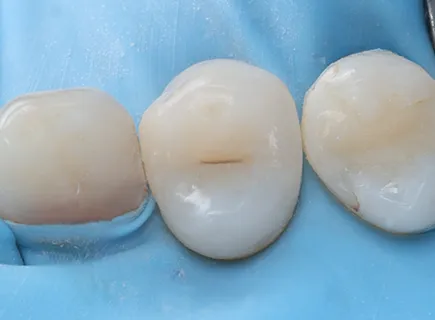
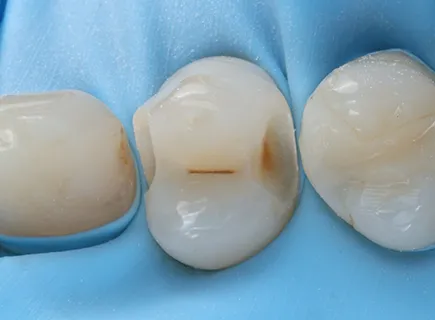
Hidden cavity treatment (caries)

Treating clinician
Dr. Ekaterina Kushnir
The patient came in with occasional sensitivity, and there was no visible damage during the examination. Transillumination (shining light through the tooth) and a targeted X-ray revealed hidden decay before any pain or visible enamel damage appeared.
The decayed tissue was removed under a rubber dam, and the tooth was restored with a nanocomposite material in a precisely matched shade. Early detection helped preserve most of the healthy enamel and avoid complications.
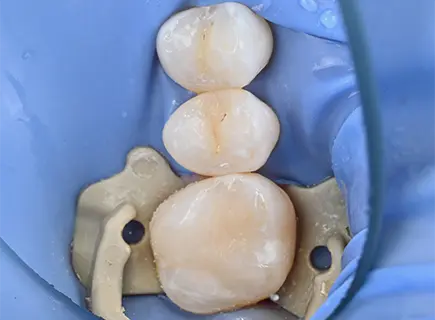
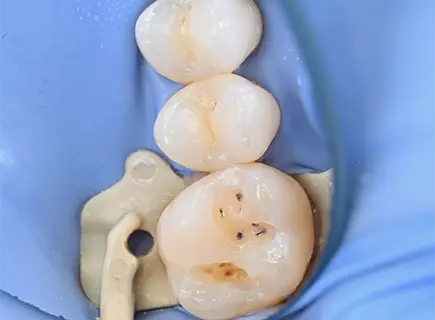
Composite filling
Treating clinician
Dr. Ekaterina Kushnir
At a routine check-up, the patient was found to have new decay under an old filling. Although there was no pain, waiting could have led to inflammation of the nerve (pulp) and the need for root canal treatment.
After the damaged tissue was removed, the tooth was restored with a modern nanocomposite under a rubber dam. This gave reliable isolation, a precise fit of the filling, and a long-lasting result.
Teeth whitening
Treating clinician
Dr. Ekaterina Kushnir
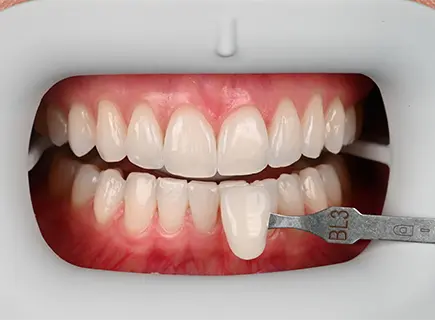
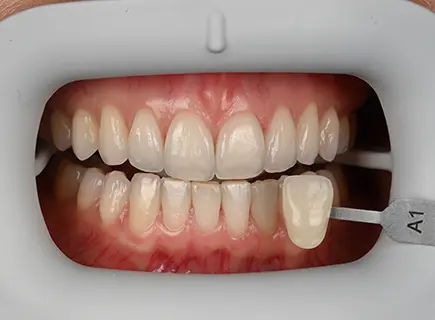
The patient wanted to restore the natural color of their teeth and prepare their smile for an important event. After the examination, we performed a professional cleaning, removed plaque, tartar, and stains with AirFlow, and then performed professional whitening.
After the procedures, the dentist gave personal home care recommendations to help keep the result longer and maintain healthy teeth.
Ceramic crown

Treating clinician
Dr. Svetlana Prisiazhnykh
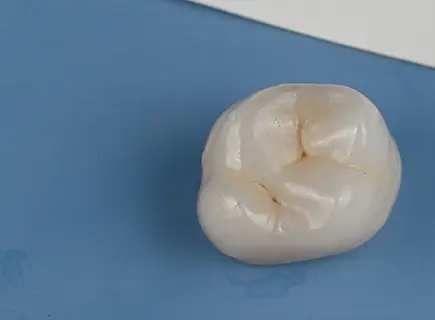
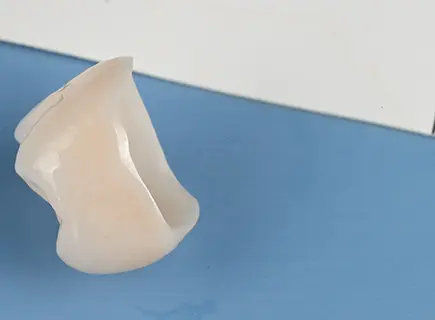
The patient came in with a severely damaged tooth that could no longer be restored with a filling. After diagnosis and planning, we chose an all-ceramic crown: the material closely matches the color and translucency of natural enamel.
After the tooth was shaped for the crown, a temporary crown was made for the waiting period. The permanent crown was bonded in place after a try-in, fully restoring function and appearance.
Dental Treatment Cost in Dubai
The cost of treatment is always calculated for each patient. It depends less on the name of the procedure than on your specific situation. Even with the same symptoms, the amount of treatment needed can vary a lot, so the exact cost can only be determined after a consultation and examination.
We believe patients should understand not only the total amount but also what it consists of. That is why, before treatment begins, your dentist will explain the plan and the sequence of stages in detail and answer all your questions.
What Affects the Cost of Treatment
The cost may depend on several factors, including:
- The diagnosis and the reason for your visit
- The extent of damage to the tooth or surrounding tissues
- The need for additional tests
- The chosen treatment or restoration method
- The number of teeth that need treatment
- The need for specialists from other fields
Our goal is to find a solution that works well today and helps you avoid repeat treatment in the future.
What Your Personalized Treatment Plan Includes
After the examination, you will receive a detailed treatment plan that lists all the main stages.
It usually includes:
- The examination results and the diagnosis
- Recommended treatment methods
- Possible alternatives, if there are any
- The sequence of visits
- Approximate timelines
- The cost of each stage
This way, you understand the scope of treatment in advance, can plan your time, and can make your decision without pressure.
When Can the Dentist Give You an Exact Price?
In most cases, the approximate cost can be discussed at the first consultation. If additional tests are needed to make a diagnosis, the final estimate will be prepared as soon as all the necessary information is available.
We follow the principle of transparent pricing. Before treatment begins, you will know which procedures are planned, why they are needed, and how much each stage will cost.
Get an Estimate After Your ConsultationDental Treatment Prices
at MedPalm Dental
Comprehensive Oral Examination
Full evaluation of teeth, gums, bite, and oral health
AED 550
Professional Hygiene (GBT Protocol: Scaling & Airflow Polishing)
Guided Biofilm Therapy (GBT): plaque removal and preventive care
AED 1 200
Resin-Based Composite Filling – 1 Surface
Tooth-colored composite filling on a single surface
from AED 1 000
Frequently Asked Questions (FAQ)
No. Pain can be caused by sensitive enamel, an inflamed nerve, gum disease, a cracked tooth, or other conditions. That is why treatment always starts with an examination.
Pain when biting down can be caused by tooth decay, inflammation of the tissues around the root, a cracked tooth, or a filling that is too high after previous treatment. An examination and, if needed, an X-ray will help find the exact cause.
Do not delay your visit to the dentist. Even if the tooth does not hurt, it becomes more vulnerable to new decay and further damage. The sooner the filling is replaced, the more healthy tooth structure can be saved.
Even a small chip needs a consultation. Depending on how deep the damage is, your dentist may recommend a filling or another type of restoration, or a different treatment. Until your appointment, try not to put too much pressure on the damaged tooth.
Emergency care is recommended for severe toothache, significant swelling, a dental injury, bleeding, or other conditions that cause serious discomfort.
Modern anesthesia makes most procedures comfortable. Before treatment begins, your dentist will choose the right type of anesthesia based on the procedure and your needs.
Yes, when medically indicated or at your request. Laughing gas (nitrous oxide) sedation is done in the clinic, and you stay awake during treatment. Treatment under general anesthesia takes place in a partner hospital. At the consultation, your dentist will tell you whether either option is suitable for you.
In many cases, yes. After the examination, your dentist will assess the amount of work and suggest the most comfortable treatment schedule, taking into account the length of the appointment and how you feel.
Extraction is considered only when the tooth cannot be saved, or when saving it would not give a reliable long-term result. If there are clinically sound ways to keep the tooth, your dentist will always discuss them with you.
In many cases, yes. Even if decay has reached the nerve or caused inflammation around the root, modern treatment methods can save the tooth. The decision is always made after an examination and an assessment of the long-term prognosis.
How long a filling lasts depends on its size, the position of the tooth, your home care, your bite, and how regularly you come for check-ups. Modern materials are designed to last a long time, but any restoration may eventually need to be checked, repaired, or replaced.
Mild sensitivity in the first few days after treatment can be a normal reaction of the tooth. If the pain gets worse, lasts a long time, or comes with swelling, please contact the clinic as soon as possible and book a follow-up examination.
It depends on the procedure and the anesthesia used. After treatment, your dentist will give you personal recommendations, including when you can eat and which restrictions to follow in the first hours or days.
For most patients, we recommend a professional cleaning every six months. However, if you have a higher risk of tooth decay, gum disease, dental implants, orthodontic appliances, or other risk factors, your dentist may recommend more frequent preventive visits.
In some cases, yes: this procedure is useful not only for children. Fluoride treatment helps strengthen enamel, reduce sensitivity, and lower the risk of tooth decay. Your dentist will decide after an examination whether you need it.
Professional whitening is done under a dentist's supervision, using certified materials and following clinical protocols. Before the procedure, the dentist will check your teeth and gums to make sure there are no contraindications.
It depends on the terms of your insurance policy. Some policies cover preventive procedures and basic treatment, while others cover only emergency care or certain dental services. MedPalm Dental works on a reimbursement basis: you pay the clinic for your treatment, and we provide the medical documents you need to submit a claim to your insurance company. Our reception team will tell you which documents you will receive.
How to Keep Your Teeth Healthy Between Dental Visits
Even the best treatment cannot replace regular oral care. Simple daily habits help lower the risk of tooth decay, gum disease, and early wear of fillings and crowns.
01
Clean Your Teeth Properly Every Day
Brush your teeth twice a day, use dental floss or other tools to clean between your teeth, and choose a toothpaste based on your dentist's advice. Brushing the right way is just as important as brushing regularly.
02
Replace Your Toothbrush Regularly
Even a good toothbrush gradually becomes less effective. Dentists usually recommend replacing it every three months, or sooner after an illness or if the bristles are worn.
03
Use the Extra Care Products Your Dentist Recommends
Depending on the condition of your teeth and gums, your dentist may recommend a water flosser, interdental brushes, special mouthwashes, or products for sensitive teeth. Products chosen for your case make home care more effective.
04
Do Not Skip Preventive Check-Ups
Many dental problems develop gradually and do not cause pain for a long time. Regular check-ups help detect changes at an early stage, when treatment is usually quicker and more healthy tooth structure can be saved.
Take the First Step Toward Healthy Teeth
Regular preventive care, timely diagnosis, and the right treatment help you keep your teeth healthy, avoid many complications, and stay comfortable for years.
If you have toothache, sensitivity, or a damaged tooth, or simply want to make sure your teeth are healthy, start with a dental consultation. We will look at your situation carefully, explain the examination results in detail, and suggest the right plan for your next steps.
Start with a Dental Consultation
Book a check-up, and your dentist will review your situation in detail and suggest a treatment plan.