


Dental Anxiety in Adults — Rituals That Make Visits Predictable
Dental anxiety in adults is not childish, not irrational, and not something you should simply endure. For roughly one in three adults, anticipating a dental visit triggers genuine physiological stress - elevated heart rate, difficulty sleeping the night before, or avoidance that stretches a manageable problem into a complex one. The clinics that handle this well have learned that the solution is not sedation first - it is structure, communication, and predictability.
What Actually Happens When You Feel Dental Anxiety
Dental anxiety is rarely about the specific instrument or procedure. It is almost always about loss of control - the inability to see what is happening, to stop it, to know how long it will last, or to predict whether it will hurt. The reclined position makes this worse: a patient lying flat with a light in their eyes and hands in their mouth has fewer signals and fewer options than in almost any other medical visit. Understanding this changes how a visit should be structured. The goal is not to pretend there is nothing to worry about - it is to give the patient back as much control as the clinical situation allows.
The Rituals That Change the Experience
- A stop signal - agreeing on a hand signal before treatment begins (raise a finger to pause) gives the patient a way to pause at any time
- Running commentary - narrating each step just before it happens ("I'm going to touch the back tooth now") removes the surprise that makes discomfort feel worse
- Saying how long it takes - saying "this part takes about 40 seconds" is more calming than open-ended silence, even when the actual sensation is mild
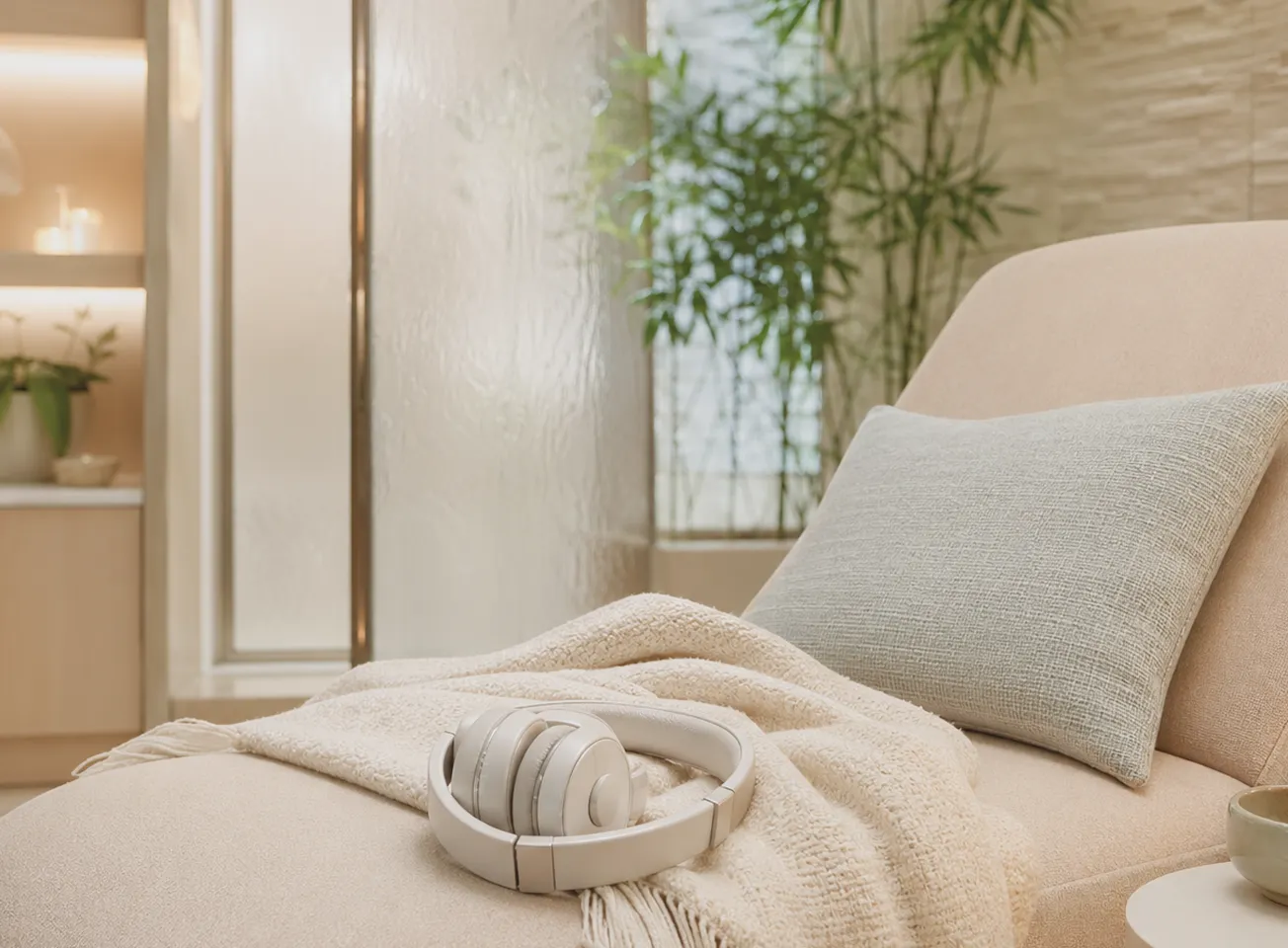
- Sensory comfort - asking in advance whether the patient would like headphones, sunglasses for the overhead light, video glasses, a projector with Netflix or Disney+, or a blanket keeps noise and light from becoming overwhelming
- A short summary at the end - briefly reviewing what was done and what comes next gives the visit a defined shape, rather than leaving it as a blur of tension
Do You Need Sedation for Dental Anxiety?
Conscious sedation (typically oral medication or inhaled nitrous oxide) is a useful tool for patients with moderate-to-severe anxiety, needle phobia, or a strong gag reflex. It makes a visit feel less intense and allows complex treatment to be completed in fewer appointments. What it does not do is resolve the underlying anxiety pattern - a sedated visit may be tolerable, but the same anxiety will be present at the next appointment unless the communication structure also changes. For mild-to-moderate anxiety, behavioral strategies alone are often sufficient and preferable: the patient retains full memory of a manageable experience, which makes each next visit easier. At MedPalm, laughing gas (nitrous oxide) sedation is available in the clinic for adults as well as children.
Most patients who tell us they're terrified have never had someone explain the procedure in advance. Once they know the steps, the fear drops by half before we've done anything.
— MedPalm Clinical Team
Building Tolerance Over Time
Dental anxiety tends to grow with avoidance: the longer a patient stays away, the more elaborate the imagined worst-case becomes, and the more complex the clinical situation grows in reality. The most effective long-term strategy is to rebuild a record of predictable, manageable visits - starting with simple appointments (examination only, no instruments) and extending gradually. Patients who attend regularly, even when they are anxious, typically describe their anxiety level falling significantly within three to four appointments - not because the clinic has changed, but because the visit has become familiar.
Anxious About Your First Visit?
We start with a conversation, not a chair.
Indicative Starting Prices
For a First Visit or an Appointment for Anxious Patients
Specialist Consultation
Personalized diagnostics and treatment planning
AED 650
Professional Hygiene (GBT Protocol: Scaling & Airflow Polishing)
Guided Biofilm Therapy (GBT): plaque removal and preventive care
AED 1 200
Resin-Based Composite Filling – 1 Surface
Tooth-colored composite filling on a single surface
from AED 1 000
More to Read
on General